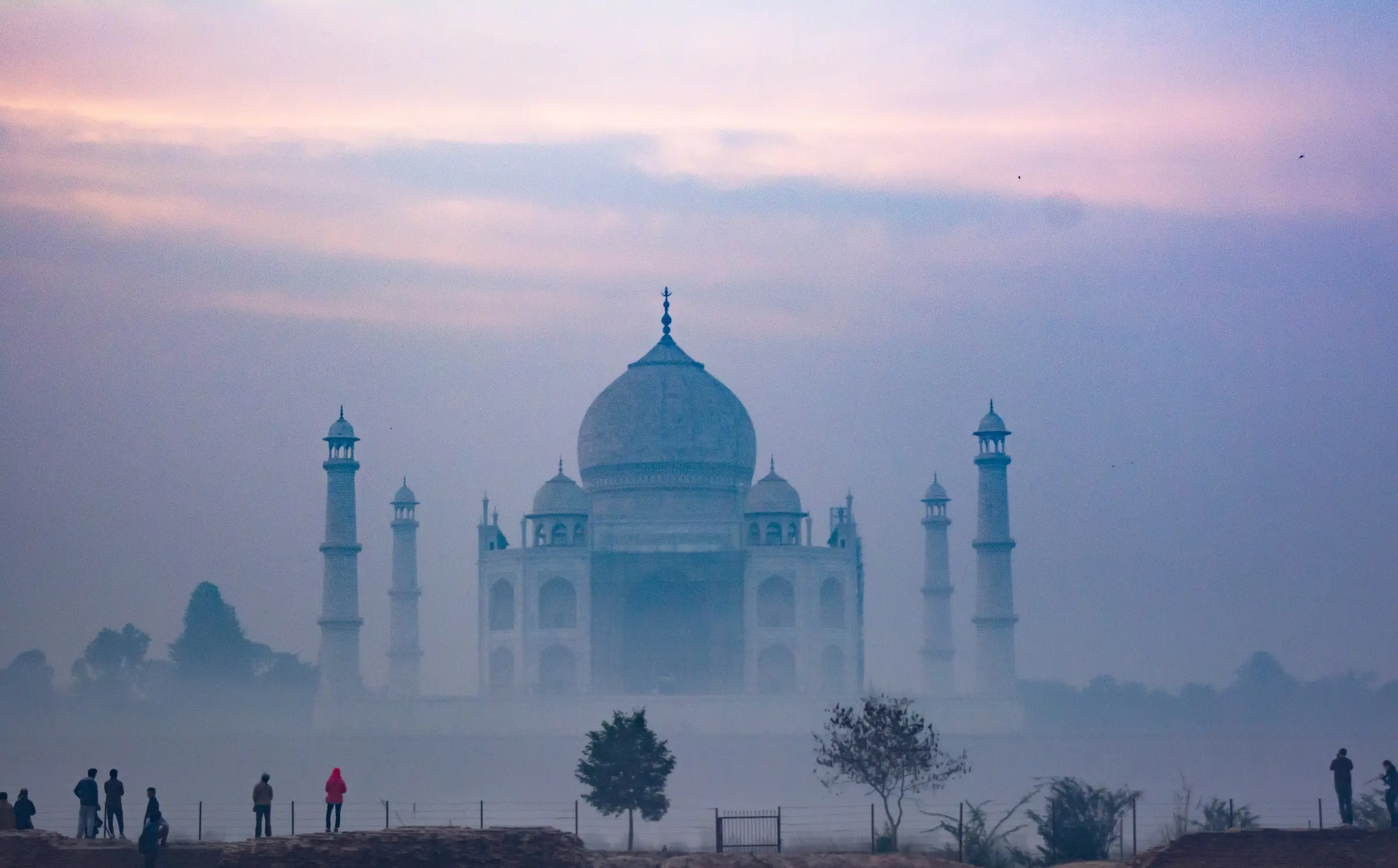
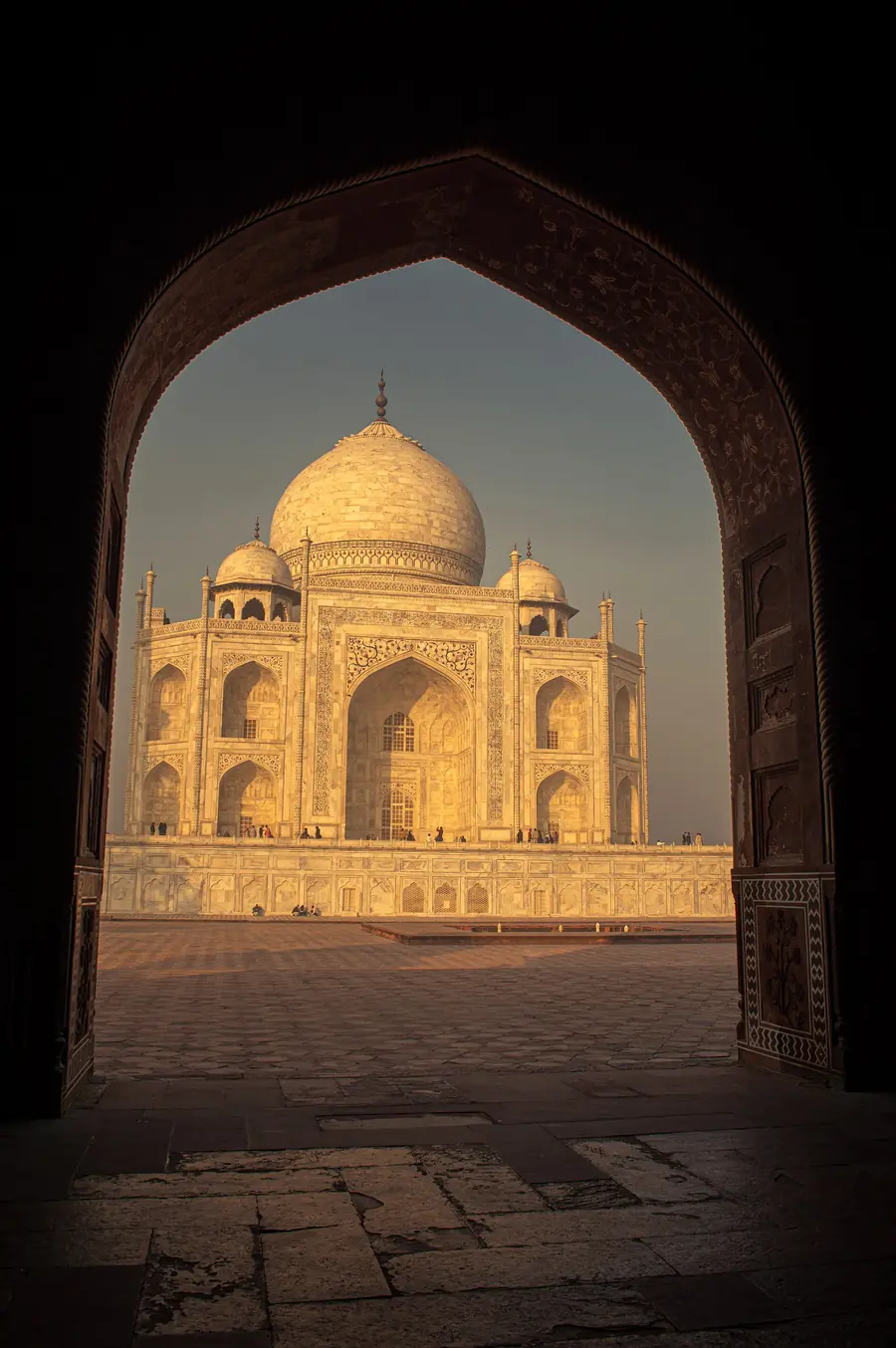
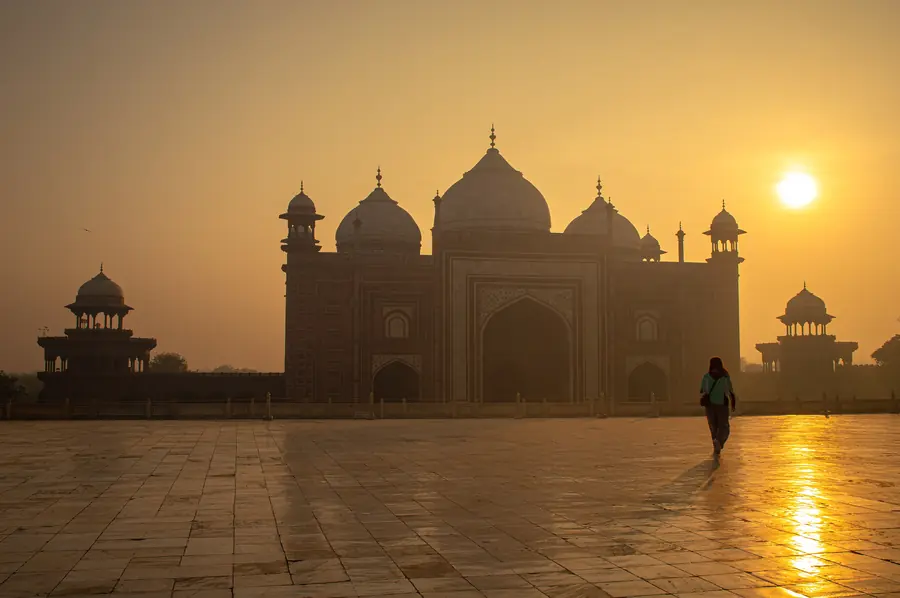
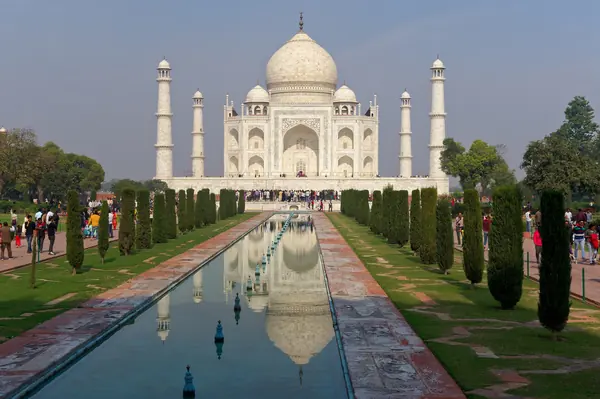
Picture the Taj Mahal at first light, the marble turning from grey to pale gold while you're still glad of a jacket. Now picture the same lawns in May, with the heat building before breakfast. Same monument, very different day. The best time to visit India for most people runs from late October to March, when the rain has gone and the Golden Triangle of Delhi, Agra and Jaipur is pleasant to walk around.
That window isn't flawless, though.
Winter brings fog and poor air to northern India, so here's the weather and when to go to India month by month, along with the months the escorted tours actually leave the UK.
When is the best time to visit India for the Golden Triangle?
February and early March get our vote. The fog is thinning, daytime temperatures are warm rather than hot and the monsoon is months away. Late October and November run them close.
These long-run climate averages for New Delhi come from the India Meteorological Department, set beside the months on the operators' own date lists, checked November 2026. Agra and Jaipur will differ a little, so treat it as a guide.
| Month | Daytime temperature (°C) | Night low (°C) | Rain (mm) | Fog days | UK tours leaving |
|---|---|---|---|---|---|
| January | 20 | 8 | 19 | 22 | Travelsphere, Riviera, Just You |
| February | 24 | 11 | 22 | 11 | Travelsphere, Riviera, Just You |
| March | 30 | 16 | 19 | 4 | Travelsphere, Riviera, Just You |
| April | 37 | 21 | 13 | 0 | Riviera |
| May | 40 | 26 | 29 | 0 | None |
| June | 39 | 28 | 81 | 0 | None |
| July | 36 | 28 | 196 | 0 | None |
| August | 34 | 27 | 227 | 0 | None |
| September | 34 | 25 | 128 | 0 | Riviera |
| October | 33 | 20 | 14 | 3 | Travelsphere, Riviera, Just You |
| November | 28 | 13 | 4 | 12 | Travelsphere, Riviera, Just You |
| December | 23 | 8 | 8 | 19 | Travelsphere, Riviera, Just You |
India month by month: weather, festivals and crowds
India in October
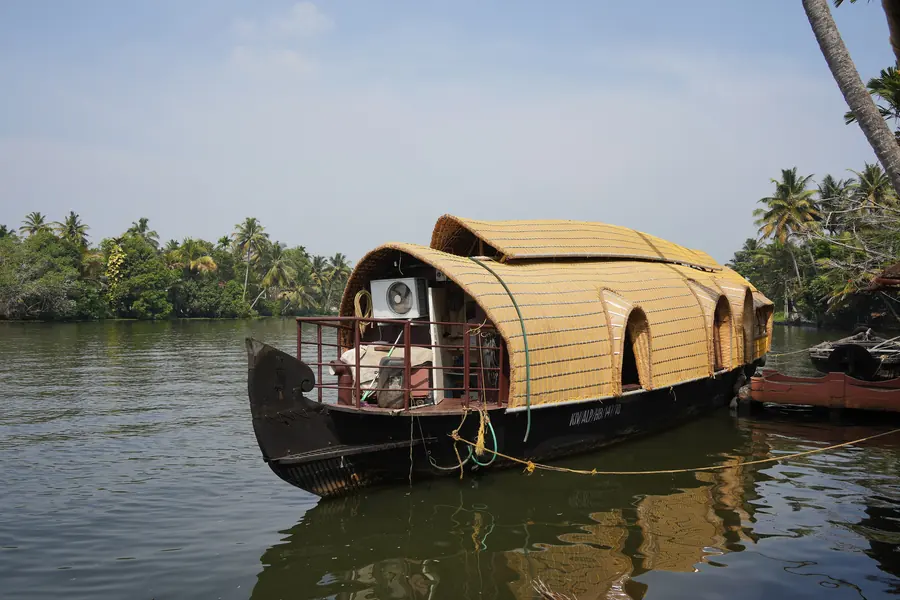
Rain has all but stopped in the north, though it's still hot at midday. Diwali, the colourful festival of lights, falls in October or November so check the date for your year. Down south it's less settled: Contrasts of India has an October departure and Kerala's second monsoon arrives around mid month, so you may get showers on the backwaters.
India in November
This is Delhi's driest month and the start of peak season, with chilly mornings and clear afternoons. Beyond the Golden Triangle runs now, while the Pushkar Camel Fair brings thousands of animals and their owners to Rajasthan (it isn't on these itineraries).
India in December
Cool, dry and popular. Christmas flights and hotels fill early, so it pays to book ahead; our Christmas in India page has the details. Fog is the catch: Delhi averages more days with fog than without in December and January.
India in January
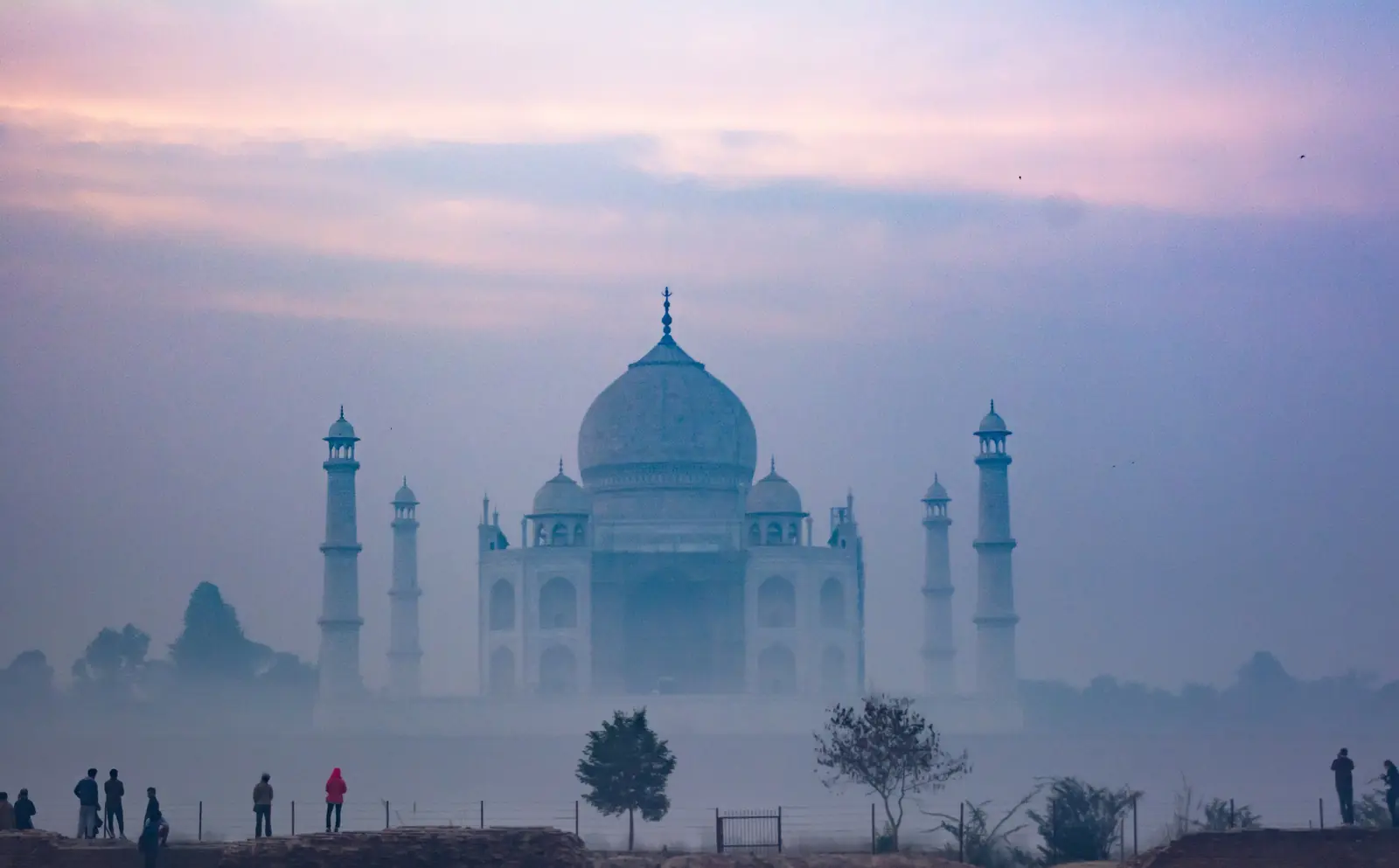
The coldest and foggiest month in the capital, with properly cold nights. A dawn visit to the Taj can mean mist before you see the dome. A safari in an open-top vehicle before breakfast is a hat and gloves job.
India in February
Our favourite: fog fades through the month, Delhi warms up and the south stays dry, which is why Riviera's guide picks February for Kerala's coast.
India in March
Holi, the festival of colours, usually lands this month, with bonfires on the first night and coloured water in the streets the next day. It's noticeably hotter by the end of March, so sightseeing shifts to the cooler hours.
April and September: the shoulder season
Only Riviera has departures in these two months. April is seriously hot on the plains, though its guide rates the month for wildlife because animals gather at waterholes in the national parks, while September is the tail of the rains with showers still likely in Kerala and Darjeeling.
May to August: why there are no tours
None of the operators here lists a departure from May to August. We can't speak for their reasons, but the table does the explaining: May and June are the hottest months, with humidity and thunderstorms before the rain arrives. The FCDO says the monsoon season usually runs from June to November, with flash floods, landslides and road closures possible. Ranthambore shuts for part of it too, as Rajasthan Tourism gives its opening as October to June.
Ladakh is the exception, a high mountain desert with little summer rainfall and good trekking in July. None of our trips go there.
The catches in the best months: fog, air and heat
The FCDO warns that severe air pollution is a major health hazard, especially from October to February, with north Indian cities and metros across the country most affected. It adds that the elderly and people with existing medical conditions may be especially affected (checked November 2026, so check before you go). If you've a heart or breathing condition, it suggests speaking to a medical practitioner before you travel. That's one reason we lean towards late February or March.
Fog matters on the road as well, because the FCDO also advises avoiding travel in it as low visibility causes accidents. Ask your operator how a foggy morning changes the day's drive.
Then there's walking. Most of these trips are graded Active, meaning moderate walking and longer days, whatever the month. Expect dawn starts, crowds, uneven paths, steps and ramps at the forts and palaces, plus rough tracks on safari. Cooler months make all that easier, not easy. If you can't walk far, tell the operator before you book.
Kerala, Goa and the Himalaya: each region keeps its own calendar
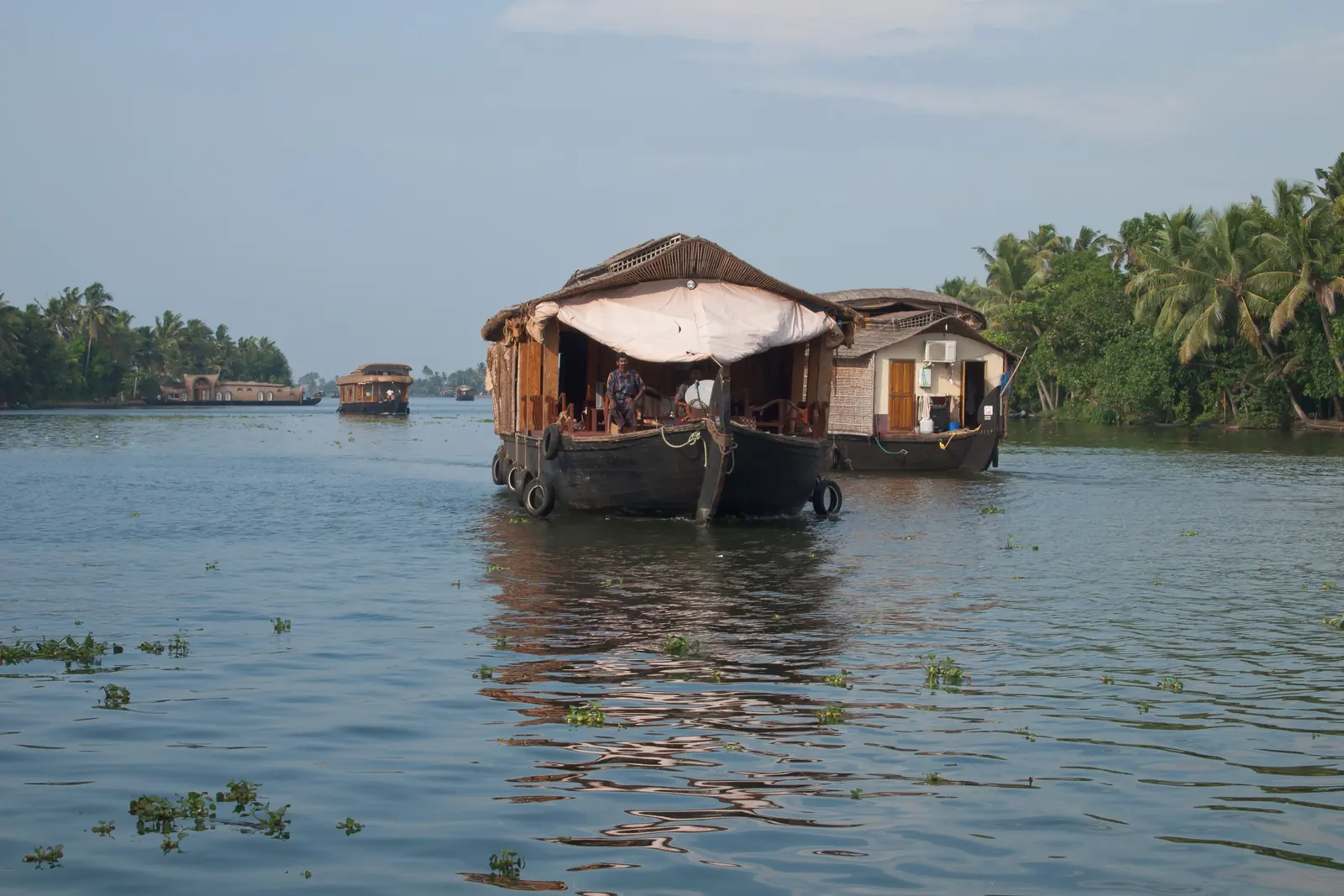
India's too big for one rule. Southern India stays warm all winter, so Kerala and Goa suit the same dates as the north without the chill, for a beach or a houseboat on the backwaters.
The Himalaya works the other way round: Shimla sits in the foothills with snow possible in winter, so bring layers if your trip adds the hill station, while Darjeeling stays wet until the monsoon passes.
How an escorted tour takes the guesswork out of the dates
Pick a departure for your holiday in India and most of the seasonal worry becomes somebody else's job. Our itinerary guide shows how the days fit together and what the price covers explains the rest.
- Flights from UK airports, with the road between cities driven by someone who knows it
- Hotels chosen in advance for the busy months, so Christmas isn't a scramble
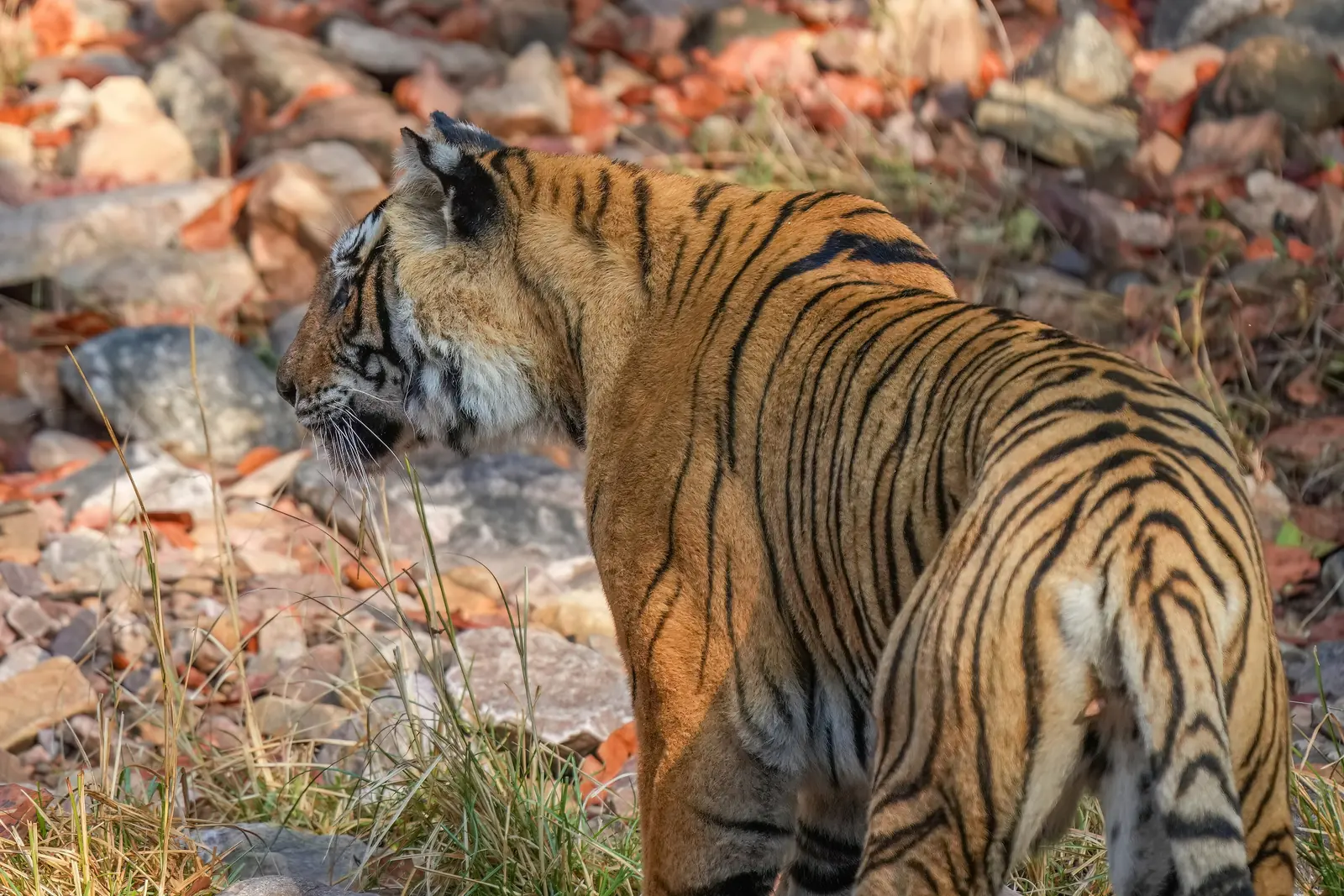
- Monument tickets and a guide at the gate, plus safari permits for Ranthambore
- One booking and someone to ask if the weather changes the day
Start with Travelsphere's Christmas departure for the festive weeks, or see An Invitation to India from Just You if you're travelling alone. Riviera's Tigers, the Taj Mahal and the Golden Triangle covers the shoulder months as well. Compare them on our Golden Triangle tours page or the home page.
Updated 2 November 2026. Facts checked November 2026.
Sources for this page
- New Delhi (Safdarjung) climatological table 1991-2020: temperature, rainfall, fog days
- FCDO: severe air pollution October to February, north Indian cities, who is most affected
- FCDO: monsoon usually June to November, flash floods and landslides; avoid travelling in fog
- Ranthambore open from October to June
- Kerala's southwest monsoon in June, northeast monsoon mid October, rain for a few hours with sunny interludes
- Taj Mahal closed Fridays, visiting hours from 30 minutes before sunrise
 Golden Triangle holidays
 Golden Triangle tours
 India tours
 Golden Triangle itinerary